How to Fly With a Cat Between Japan and California
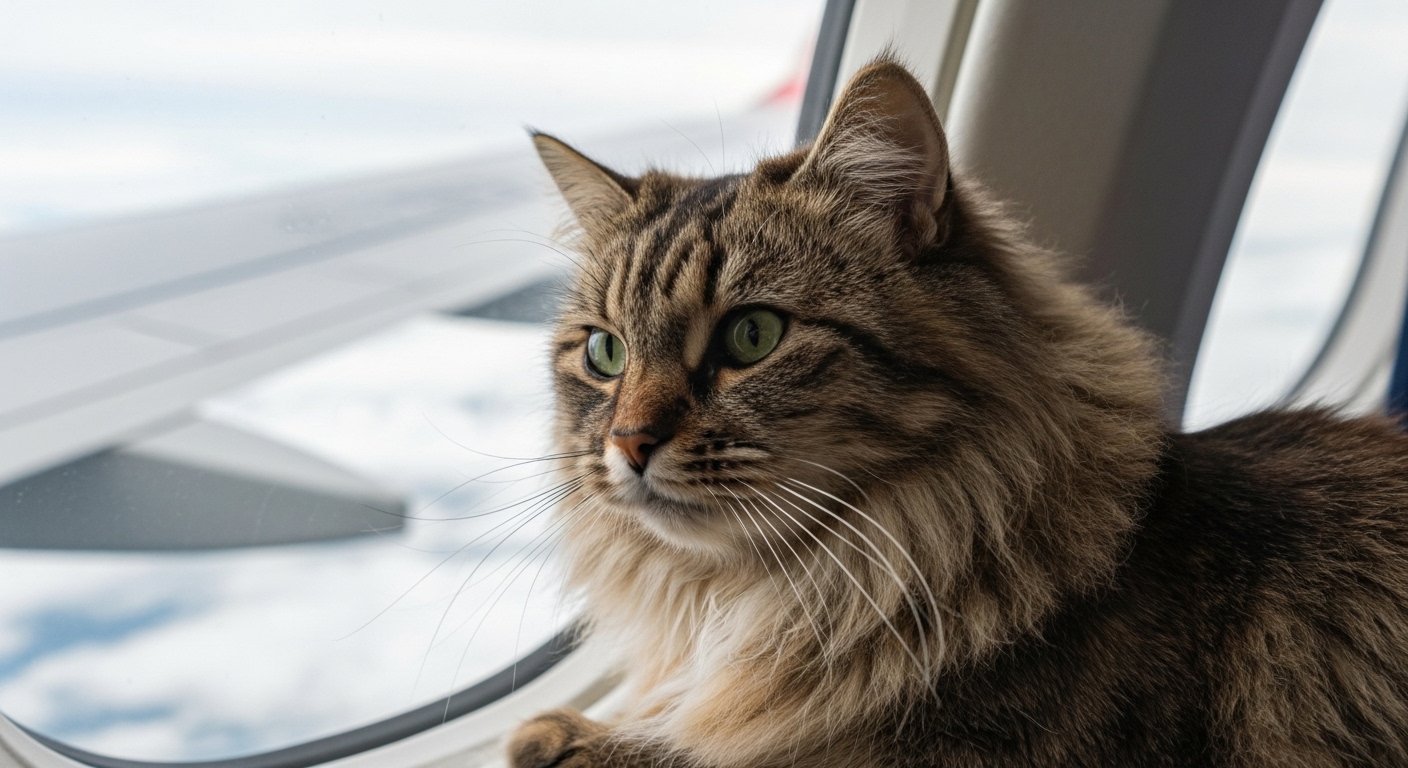
Flying internationally with a cat sounds complicated at first, mostly because Japan’s pet import system looks like tax paperwork mixed with airport security and a science project.
But once you understand the timeline, it’s actually pretty manageable. (That’s a lie, not really it’s a pain in the butt)
The biggest thing to know is this:
Flying from Japan → California is relatively easy
Flying from California → Japan will make you wanna pull your hair out.
Here’s the full breakdown of what you actually need to know when flying with a cat between Japan and California on Delta Airlines.
The Airline
Delta allows cats to travel in-cabin on many international routes, including Japan and California flights.
Delta Pet Fee
International pet fee: $200 each way for my flight. That’s the price for one carrier. Your allowed 2 cats per carrier for the same fee.
Reserve Early
This part is important.
Some Delta aircraft only allow:
2 to 4 total cabin pets onboard
So after booking your flight:
Call Delta immediately
Add your cat reservation right away
If the pet spots are already full, Delta can deny pet check-in even if you already have your ticket.
Carrier Requirements
Delta recommends:
Soft-sided carrier
Maximum recommended size:
18" x 11" x 11"
The carrier must:
Fit under the seat in front of you
Be leak-proof
Have ventilation on multiple sides
Your cat must:
Be able to stand up
Turn around comfortably inside
The Carrier I Used
I used the Pecute expandable carrier for this trip. It’s a soft-sided airline-approved carrier with expandable mesh sides that give the cat more room while waiting at the airport or during long layovers.
The model I used:
Fits under Delta seats reasonably well
Has mesh ventilation on multiple sides
Includes locking zippers
Expands outward for extra space outside of takeoff and landing
Folds down flat when not in use
For longer international travel, the expandable sides help a lot once you’re sitting at the gate for hours waiting to board.
Amazon link:
https://www.amazon.com/dp/B0FL2HMR4M

Seat Restrictions
You cannot sit in:
Bulkhead seats
Exit rows
Delta One / lie-flat seats
Bulkhead seats are the rows directly behind walls or dividers instead of another seat.
The problem is:
there’s no under-seat storage area
which means nowhere for the carrier to go
So avoid bulkhead seats when flying with pets.
TIP: Book a seat in the very last row if possible. I know, you’re just gunna have to feel poor boarding last and walking all the way to the back. I booked the middle seat. Asille has too much noise and traffic which can stress out your pet and the window is no good because you’ll need to get up to take the cat to the bathroom multiple times. (we spend around 4~5 hours in the bathroom) my cat did not want to stay in the bag under the seat.
Important Delta Rules
One carrier per passenger
Cat must remain inside the carrier during the flight
TSA requires you to remove your cat from the carrier during security screening
That part is chaotic, some airports will let you use a private room you just have to ask at security.
Check out their website for more information on which flights allow pets etc.https://www.delta.com/us/en/pet-travel/overview
*Special note: United airlines is also a good option for flying with a cat.
Things To Bring / What To Pack
Treats
Ziplock bag of dry food
Wet food if your destination allows it. The pouch versions work best for travel.
WET WHIPES!
Small wash cloth for messes
Line the bottom of carrier with extra puppy pads to save space
Portable food and water bowls
Medication if needed
Their favorite cushion or small blanket to line the carrier with.
TIP: Avoid new stuff, use something old that they often sleep on. A familiar scent will help improve the environment.
Extra plastic bags (They come i handy for sure)
A large thin blanket: I used this to make a blanket fort to shield my cat from all the people and noise. Lay on end of the blanket in your lap, pull down the tray table and drape the blanket over it. The sides of the blanket should be long enough to touch the floor. Your cat under the seat in front of you is now blocked on all sides from seeing out. This was SUPER helpful for my easily frightened cat. Make sure its a super thin blanket so ensure its breathable and enough air can get in. I ended up not using the blanket i brought, the free blanket you’re giving on the delta plane worked perfectly.
Portable litter box ( I used a foldable water proof box i got for 1$ at Diaso in Japan. It fit perfectly in the carrier under the puppy pads)
Litter
TIP: I suggest bringing 2-3 individual plastic bags of litter. Just enough to properly fill the litter box up. Instead of pouring the litter in the box directly, you’ll line the box with one of the pre filled bags of litter same way you would line a trash can with a garbage bag. That way if your cat doesn’t go you can remove the bag tie it up and reuse later. Or is your cat does go to the bathroom it’s a super quick and easy clean up. Just remove the bag and throw it away without needed to scoop anything or wash out the litter box. I also suggest using a light, clean litter like wood pellets. I brought this flushable chalk litter and it was a HOT MESS! It got everywhere and melted into white paint when wet. I had to scrub the entire bathroom floor multiple times to get it all up.
Japan → California Requirements
Compared to entering Japan, entering the United States with a cat was pretty straightforward.
Check List You Need:
Rabies Vaccine?
Must be valid and administered at least 30 days before arrival.
There’s a question mark because on a federal level a rabbies vaccine isn’t required in America BUT it is required for the state of California so be sure to check depending on which state you’re going to.
Health Certificate
You need:
Veterinary health certificate
Issued within 10 days before your flight
The certificate confirms:
Your cat appears healthy
No signs of infectious disease
PRINT IT OUT
MAFF / AQS Export Inspection
Before leaving Japan:
You have to submit advance notification to AQS ~ 10 days before your departure date. (I was told i needed the flight confirmation and heath certificate before hand) Book an appointment and go down to the airport (or where ever they are located) to have your cat inspected.
You’ll then receive an export quarantine certificate. Again…
PRINT THIS OUT
Things You DO NOT Need For U.S. Entry
No rabies titer test
No 180-day waiting period
No quarantine
No import permit
Compared to Japan, the U.S. process is normal.
🇺🇸 California → Japan Requirements
Ready to pull your hair out? It’s much stricter.
Japan is rabies-free, so the country has one of the strictest pet import systems in the world so I can understand the reasoning behind some of the precautions but that doesn’t make things any easier.

Step 1: Microchip
Your cat must:
Have an ISO-compatible microchip
The microchip must be implanted BEFORE the 1st rabies vaccines
If the vaccines happened before the microchip:
IT DON’T COUNT …. the process resets
Step 2: Two Rabies Vaccines
Japan requires:
Two rabies vaccinations
Rules:
Second vaccine must be at least 30 days after the first
Vaccines must remain continuously valid
If your rabies vaccine expires:
you may have to restart the process completely
Step 3: Rabies Titer Test (FAVN Test)
After the second vaccine:
Go to the vet for a rabies Titer test.
They draw blood and the sample gets sent to an approved lab
The result must show:
Antibody level of at least 0.5 IU/ml
Step 4: The 180-Day Waiting Period
This is the part most people get confused about and makes me want to pull out my hair. (But i get it)
The 180-day countdown wait begins the day you get your cats blood drawn for the rabies titer test.
So starts from the BLOOD DRAW DATE
not the lab result date
Example:
Blood drawn January 1
Earliest Japan entry:
Around June 30
Even if the lab results come back quickly, Japan still requires the full waiting period. They do this to insure the animal doesn’t have rabbies.
*An Important Loophole That Saves You 6 Months!
I found a bit of a work around to save time and get back into Japan a lot easier and faster!
If your cat already completed Japan’s full import process BEFORE leaving Japan:
microchip
rabies vaccines
titer test
180-day wait
…and you keep everything continuously valid while abroad…(You only stay a short time that way nothing expires)
You can avoid repeating the entire process when returning to Japan.
That means:
No new 180-day wait
No new titer test
No restarting the process
This is extremely useful for Japan residents traveling temporarily to California with their cat.
The important part is:
do NOT let the rabies vaccine expire !
If the vaccine lapses, you can lose the previous compliance status and may need to restart the whole dang process.
🇯🇵 Returning to Japan From California
Now, even if your cat is already compliant, you still need:
AQS Advance Notification
Submitted at least 40 days before arrival in Japan (If you know your travel dates you can notify them early so you’re not waiting a full 40 days abroad) You’ll receive an Approval of Import Inspection. PRINT IT OUT
(Another) Health Certificate- Form C
Issued within 10 days before your flight. STRICTER GUIDELINES:
You can’t just go to any vet clinic. It must be completed by a USDA-accredited veterinarian.
What Form C Should Include:
Before submitting, double check that your vet filled out ALL of the following correctly:
Animals Information:
Microchip number
Species
Breed
Sex
Age
The microchip number must match EXACTLY across all documents.
Rabies Vaccination Information:
Date of first rabies vaccine
Date of second rabies vaccine
Vaccine manufacturer
Vaccine product name
Vaccine validity dates
Rabies Titer Test Information:
Blood draw date
Approved laboratory name
Result:
≥ 0.5 IU/ml
Clinical Exam:
Must be completed:
Within 10 days before departure
Vet must confirm:
No signs of rabies
Cat is clinically healthy
Veterinarians Information:
USDA-accredited vet name
License information
Signature
Date
After Form C Is Completed
Send it to USDA APHIS for Endorsement
Fastest option:
VEHCS (online USDA system):
https://vsapps.aphis.usda.gov/vehcs/OR:
Mail documents to your local USDA office
USDA Endorsement?
This is the part people miss most often.
A normal vet certificate alone is NOT enough for Japan. Your health certificate must also be officially endorsed by USDA APHIS.
What It Actually Means
For U.S. → Japan, your health certificate must be:
Issued by a USDA-accredited veterinarian
Then officially endorsed (stamped/signed) by USDA APHIS
Why a Regular Vet Certificate Isn’t Enough?
Japan requires a government-certified export document, not just a private vet opinion.
Think of it like:
Vet = writes the certificate (hopefully correctly)
USDA = validates it at the government level
Japan only accepts the paperwork after that second step.
Without the USDA endorsement:
Japan can deny entry
or quarantine your cat on arrival for 180 days! ( Idk about your pet, but my timid cat would definitely kick the bucket if she had to quarentine without me in a tiny kennel for 180 days 😐) Do your paperwork correctly!
Critical Notes: (Where People Mess Up)
Japan ONLY accepts Japan-specific forms
Generic health certificates can be rejected.
Your microchip number must match EXACTLY
Across:
Rabies records
Titer results
Form C
AQS paperwork
Even small mistakes can cause delays.
Dates Must Align Perfectly
Including:
Vaccine schedule
Titer timeline
Clinical exam timing
USDA Endorsement Must Be Official
Accepted forms:
Physical USDA stamp/signature
Digital VEHCS endorsement
TIP:
When sending paperwork to your vet, send them the official MAFF link above and say:
“Please complete Japan Form C exactly as required for USDA endorsement.”
That alone avoids a surprising number of problems. And we don’t want no Prawllums!
Final Thoughts on the boring stuff:
Flying with a cat between Japan and California is definitely doable once you understand the paperwork and timeline.
The biggest difference is:
Japan → California is mostly basic paperwork
California → Japan requires long-term planning
If your cat already completed Japan’s import process before leaving the country, keeping everything continuously valid makes future travel much easier.
My experience flying with my cat
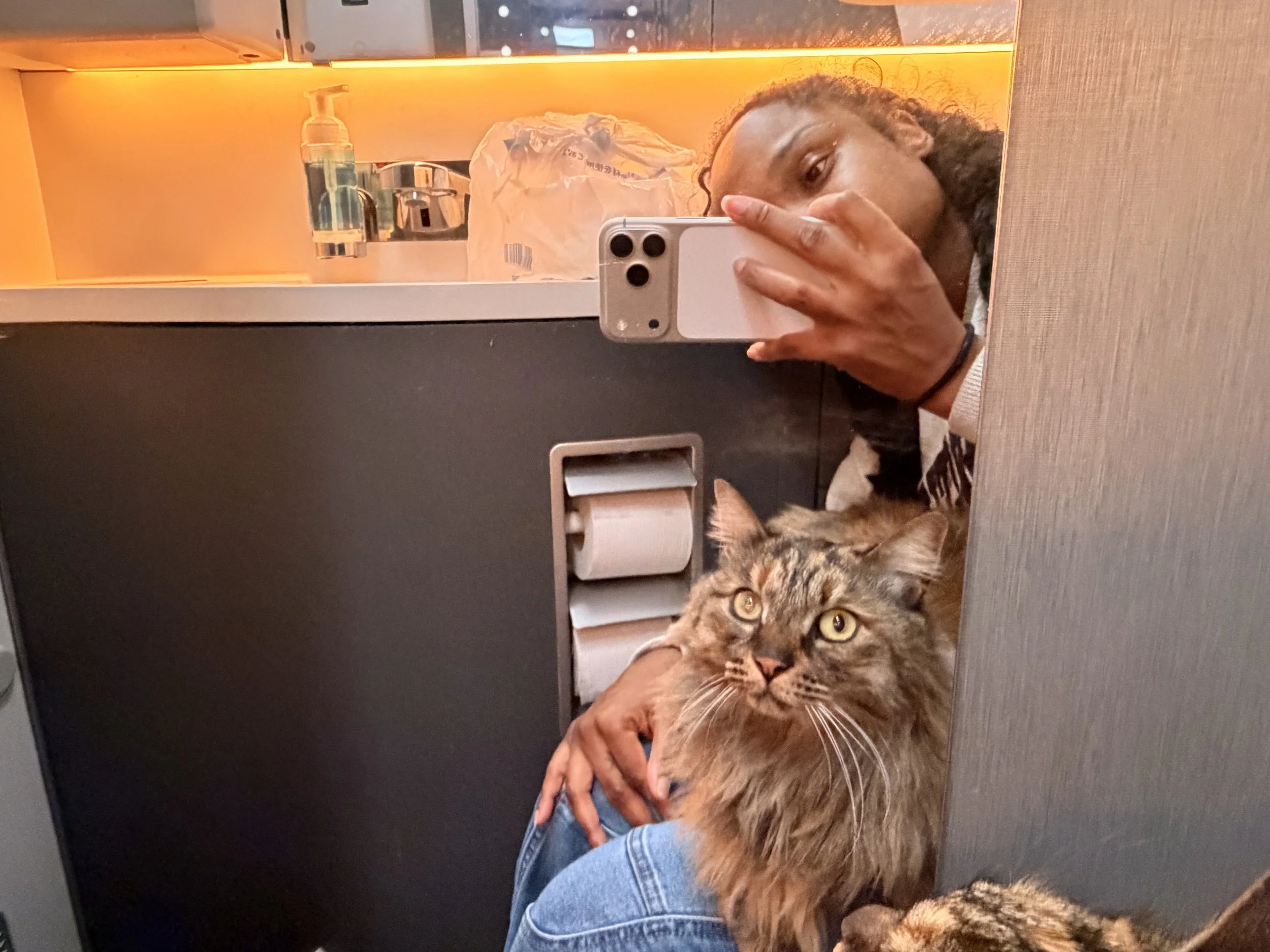
OMG! What a nightmare.
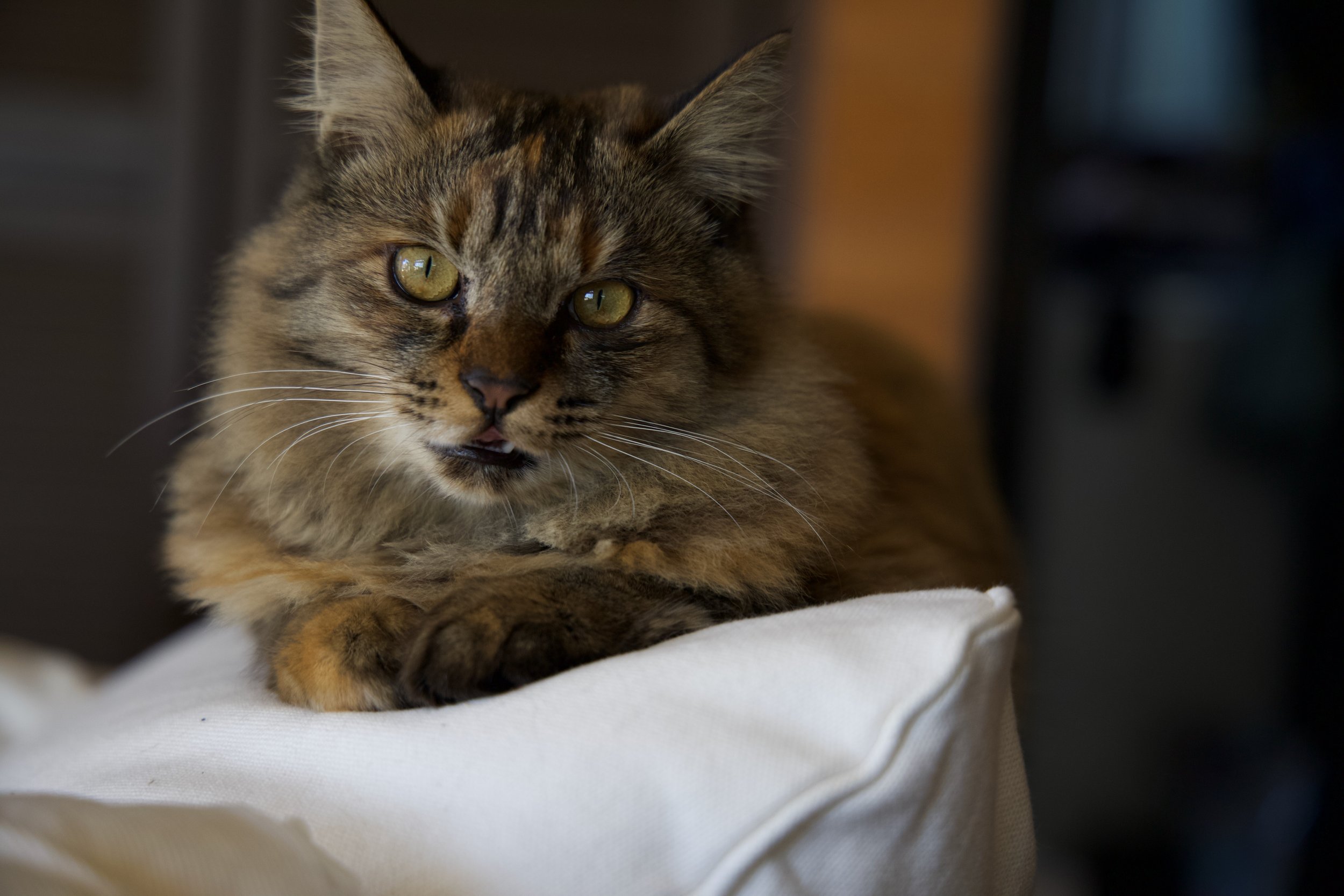
I was dreading this day for so long. I fly back and forth to California often for medical treatment they don’t have in Japan. The procedures can take time so i usually have to stay for longer durations 3 weeks ~ 2 months. My cat is no ordinary cat. She takes acting like a typical cat stereotype very seriously. She hates everything and everyone except for me. Actually, I wont say hate it’s more like everything frightens her to the point where she can’t move, eat or breathe.
She has the worst case of anxiety i’ve ever seen. When my maids come to clean every other monday for 2 hours she hides in the closet or somewhere very small and uncomfortable like underneath many blankets with minimal airflow in summer…FOR HOURS! 🥺 Strangers really frighten her. Sometimes she wont even eat for the entire day because she so stressed. I have to pick her up and walk her through the entire house to show her that no one is here everytime my maides leave. And my biggest concern, she is the absolute sweetest most loving cat on the planet but… only to me. She had zero interest in anything or anyone else.
I tried to get her a friend (she hates all other cats) and can only mildly tolerate a few of my close friends that she’s seen often enough. Her entire world revolves around being with me and she loves it that way. She spends every second of every day together, toilet, sleep, eating, gardening outside, watch TV, she even goes into the bathtub with me ( I got her a wooden tray to lay on but her tail is always in the bath water). And of course i’m equally obsessed with her as well. Knowing how attached she is to me and just how much her life depends on us being together it always breaks my heart when i have to travel to California. I’ve always wanted to take her with me but because of her extreme anxiety and how difficult/ far the journey was i thought it would be too much stress on her. But due to a ghetto, unlawful, unforeseen circumstance I was forced to be apart from her for 45 days and afterwards I decided to bring her with me on this trip to CA because I couldn’t survive another second without her. But of course with all her anxiety issues I WAS VERY WORRIED ABOUT HER FLYING.
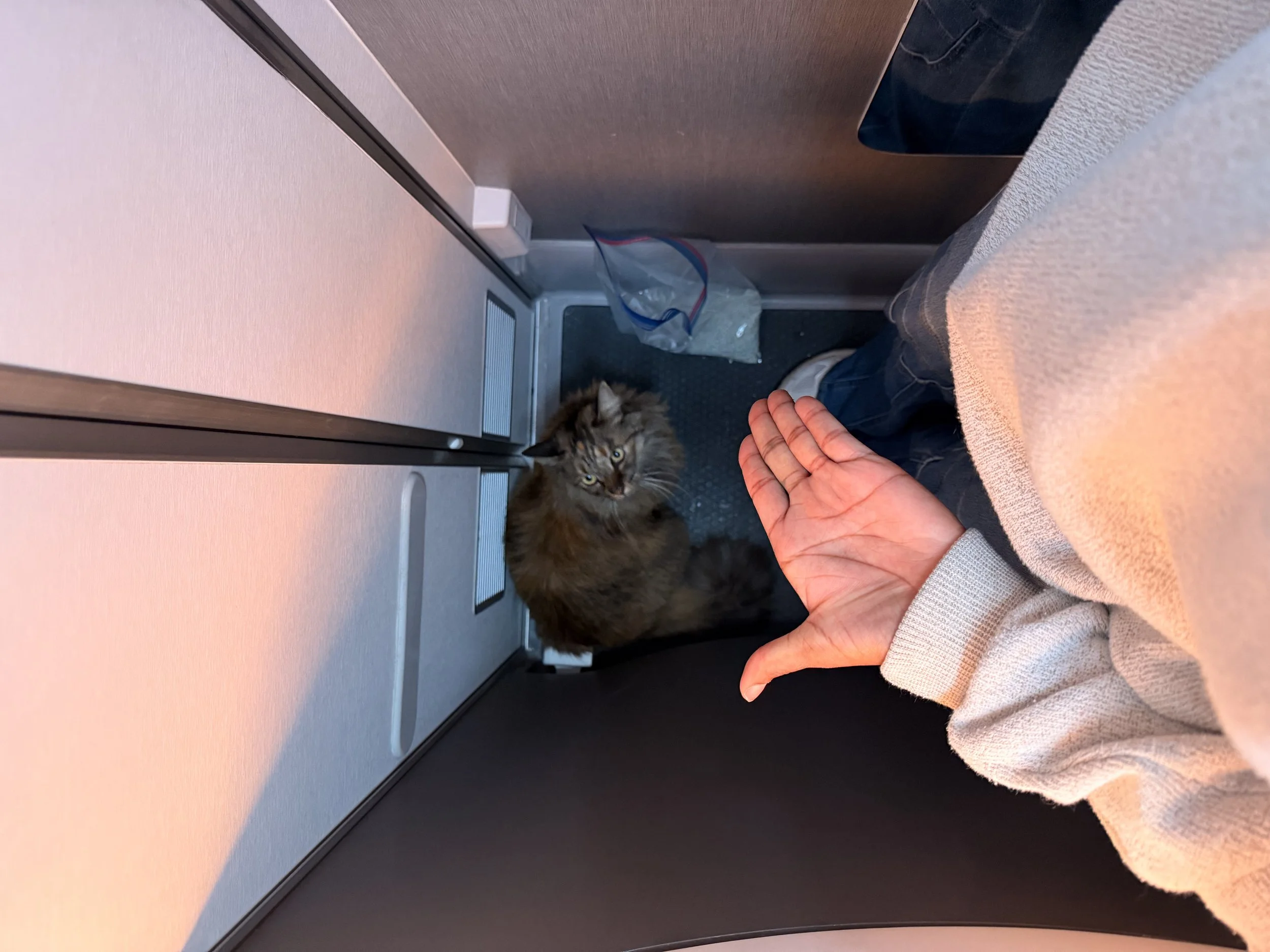
So, how did it go? Honestly, all the pre departure prep work was equally as traumatizing for my poor baby as the flight. She had to go to the vet multiple times and drive all the way up to the airport before departure day for an inspection. This process required A LOT of
Travel Time
The airport in Japan is about a 1 ½ hour drive from my house.
Parking, check-in and security clearances and arriving to the airport 2 hours before flight time took ~4 hours
Of course our plane was delayed +1 hour
Flight time ~12 hours (where your cat is expected to remain in a small bag under the seat?) THEY’RE LIVING CREATURES!
Getting off the plane, waiting for baggage claim, going through immigration, inspections etc to exit the airport 1~2 hours
Adjusting to the California heat ~a hot minute
Shuttle bus to the car rental location ~30 mins
Check in with slow pace American receptionist at the LAX car rental counter ~30 mins+
Waiting for the rental car to be brought to you again, by a staff member who moves with that same Slow pace LAX American urgency ~1 hour 36 minutes 😑
Driving home from LA to Bakersfield ~ 3 hours
Total Travel Time: 25 hours
I wish I could say it was an easy flight but even with the calming medication my cat was struggling. I’m sure this wouldn’t have been so difficult on her if it wasn’t for all the additional travel time outside of the actual flight. She had to travel around in that carrier so much. Around the 5 hours mark she began to get ansy. When ever she would cry I’d take her to the bathroom and let her stretch her legs, use the litter box, drink eat etc. She quickly caught on and realized she didn’t HAVE TO stay in the carrier under the seat. So I spend the entire flight going back and forth to the bathroom to let her out of the carrier. I think the longest bathroom break was around 1 hour. I went to the bathroom with her more times than i could count, maybe around 7~9X. I was so worried that she hasn’t eaten anything, had anything to drink or used the bathroom in so longer. Finally over the course of multiple bathroom visits I got her to do all 3! She only tinkled in the litter box once toward the end of the flight about 11 hours in and nibbled 2-3 tiny pieces of kibble treats the entire time. She did escape once when i fell asleep while petting her inside the carrier. Luckily i booked the last row! There was a wall behind us so she didn’t get far. She was REALLY hating being inside the pet carrier during the final 2-3 hours of the flight so I let her lay in my lap under the blanket for the remainder of the trip. luckily i had very kind flight attendant servicing my section and super cool passengers next to me so we had no problems there.
HOW I’D RATE THE ENTIRE EXPERIENCE 0-5:
0 Extremely Stressful/bad - 5 Great
0-5 RATING
Pre-departure preparation: 0
So stressful on my cat and so much work for me. A lot of the work was just finding out what i even needed. So if you’re reading this blog you should already have a much better experience with this than i did.
Delta Airlines: 4
Not bad, they even let me change my seat last minute to the last row to better accommodate my cat. Booking the tickets and all of the check-in/out procedures were pretty fast and easy.
Airport: 3
HND and LAX didn’t have that cool Pet area that some airports have like in Dallas and I was really looking forward to seeing it. The process to get out of LAX was pretty smooth but I do have TSA Precheck, Clear and Global entry so i skipped alot of nonsene.
Flight: 1
Extremely STRESSFUL! If you have a more outgoing calm cat or shorter flight time you might have a better experience.
All in all I’m just glad we made it safely. finding out how to fly with a cat was the most difficult part. Even immigration, the vet and airlines didn’t know some things so it was quite the research project. Hopefully you will find this information useful if you’re planning to fly between Japan and California with a cat. Good luck!