Japan vs. California: The Most Shockingly Expensice Home Renovation Costs Nobody Warns You About
I've fully renovated two homes in Japan, built a home in California, and I'm currently collecting renovation quotes for another project in Big Bear, California. After spending years renovating homes on both sides of the Pacific, I've noticed something interesting: both countries will absolutely destroy your renovation budget, but for completely different reasons.
Most people assume the expensive parts of a renovation are kitchens, bathrooms, and flooring. While those certainly add up, the costs that shocked me the most were the things nobody talks about. They're the hidden expenses that sneak into your budget and leave you staring at a quote wondering if there's been some kind of mistake.
🇯🇵Japan's Most Expensive Renovation Costs
Interior Doors
This was definitely the number one most shocking expense to date. Before renovating, I never would have imagined that doors could become one of the larger line items in a project budget. IT’S JUST A DOOR?For my property in Arashiyama Kyoto (The Blue Bamboo)I was quoted a little over 400$ per door and I needed about 7-10, that’s around $4,000 for interior doors alone. And that’s not including the front door.
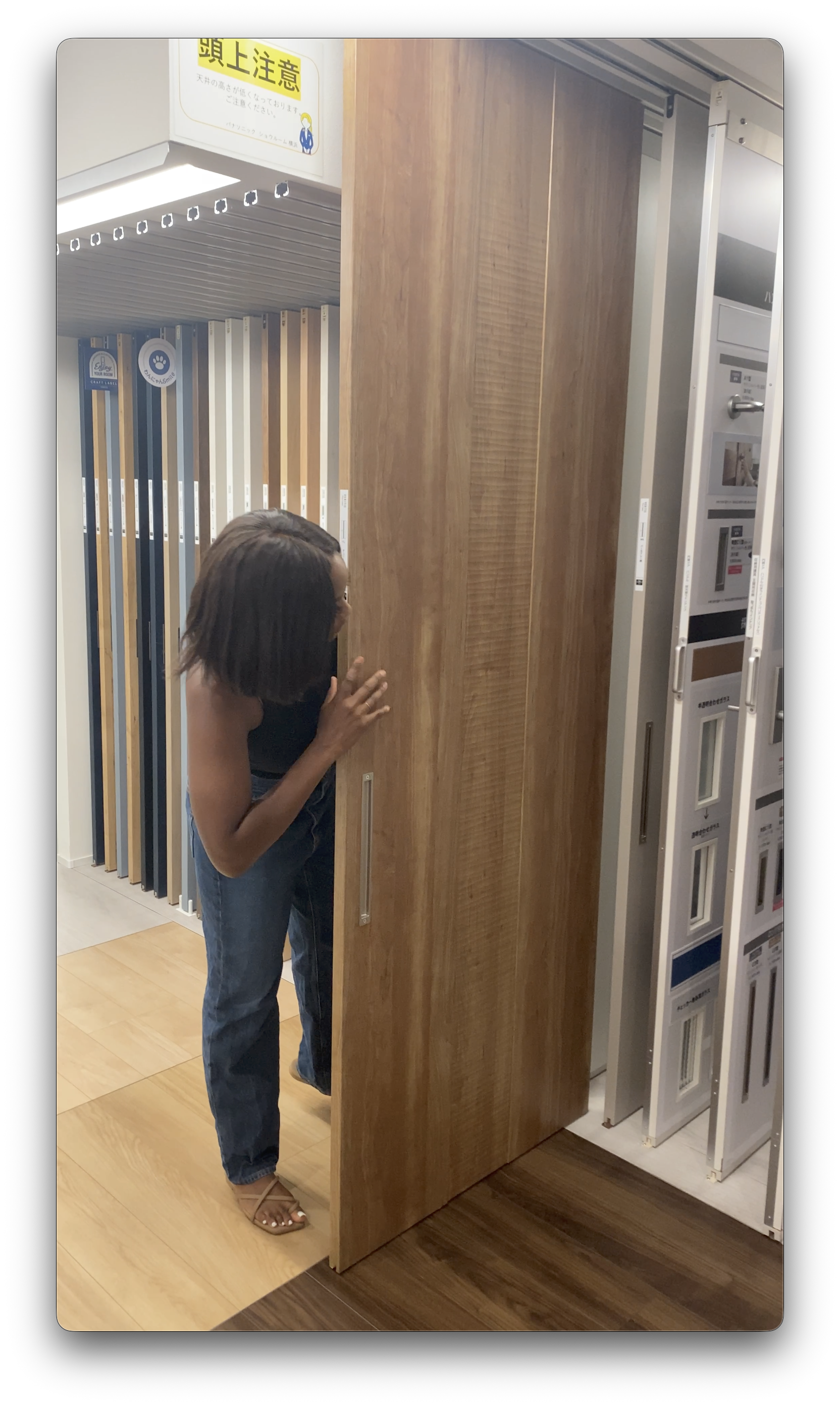
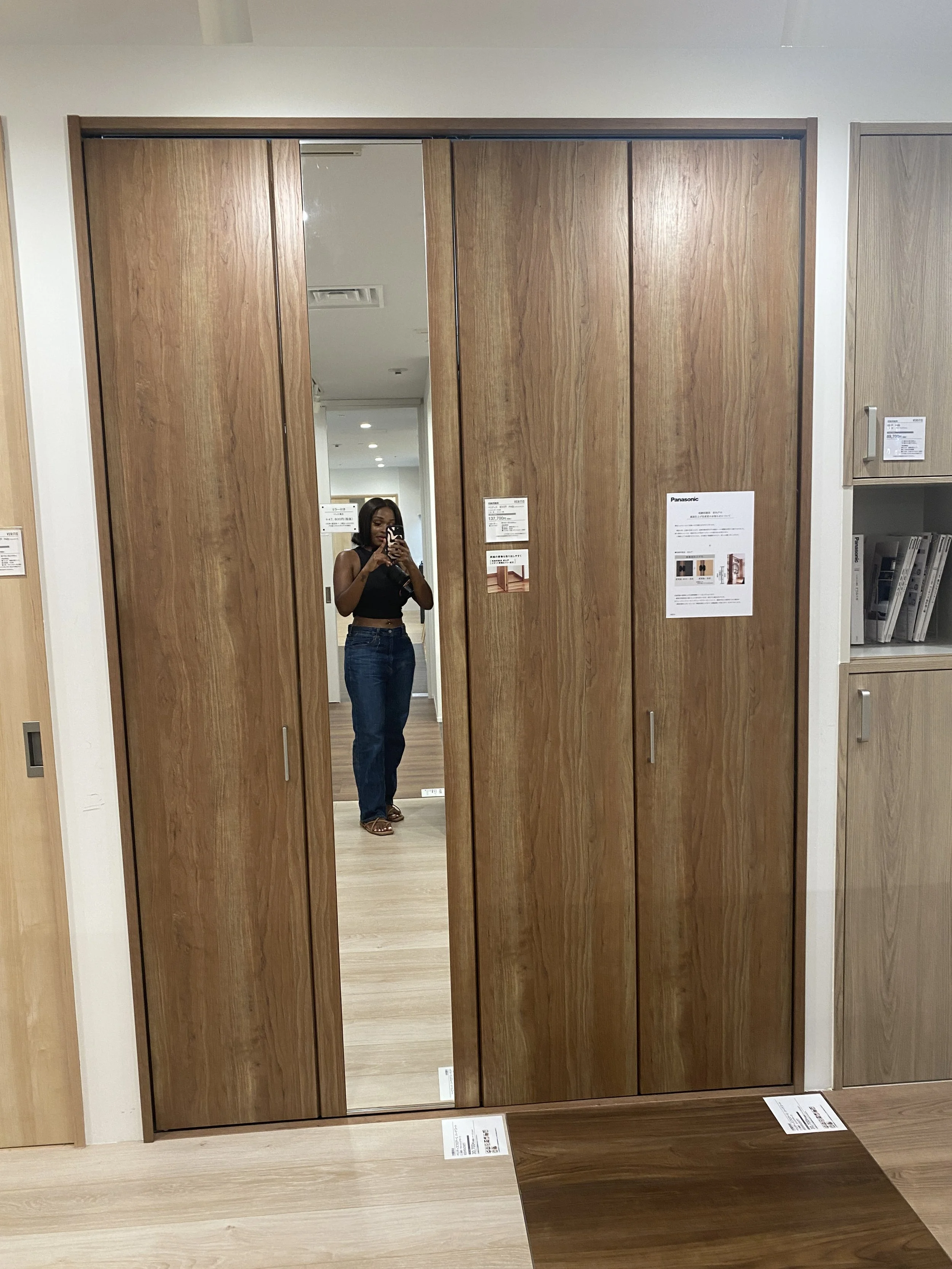
I toured the Lixil showroom in Shinjuku to check out the doors and prices in person. As i expected, they were just doors. Nothing special enough to justify the price tag so i made some adjustments. The standard LIXIL Lasissa sliding doors start around ¥72,000 ($500) before installation, but once you start adding decorative glass, wood lattice details, premium finishes, soft-close hardware, and larger openings, prices can quickly climb to ¥100,000 to ¥250,000 ($700 to $1,700+) per door. The prices for front doors shocked me everywhere i looked.
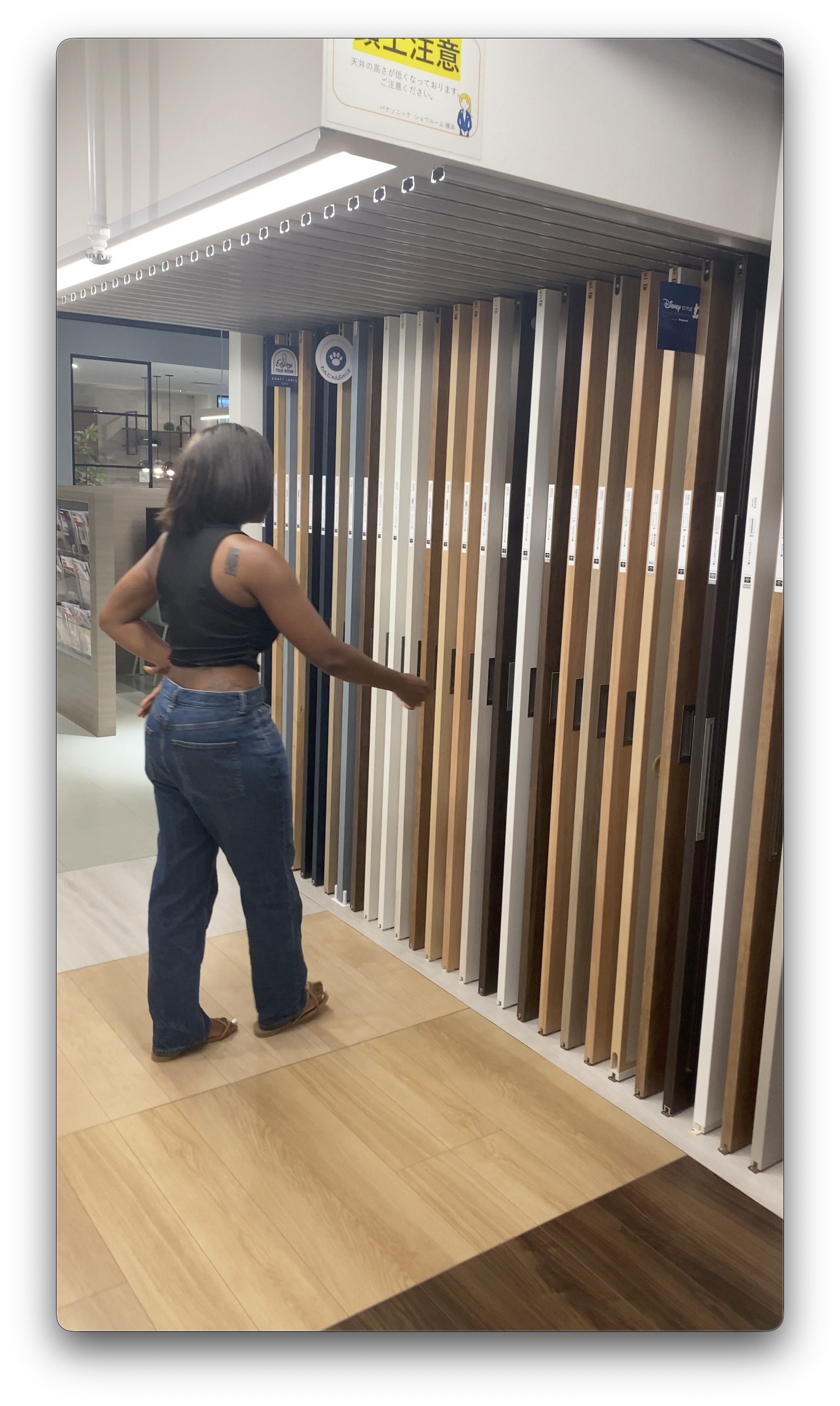
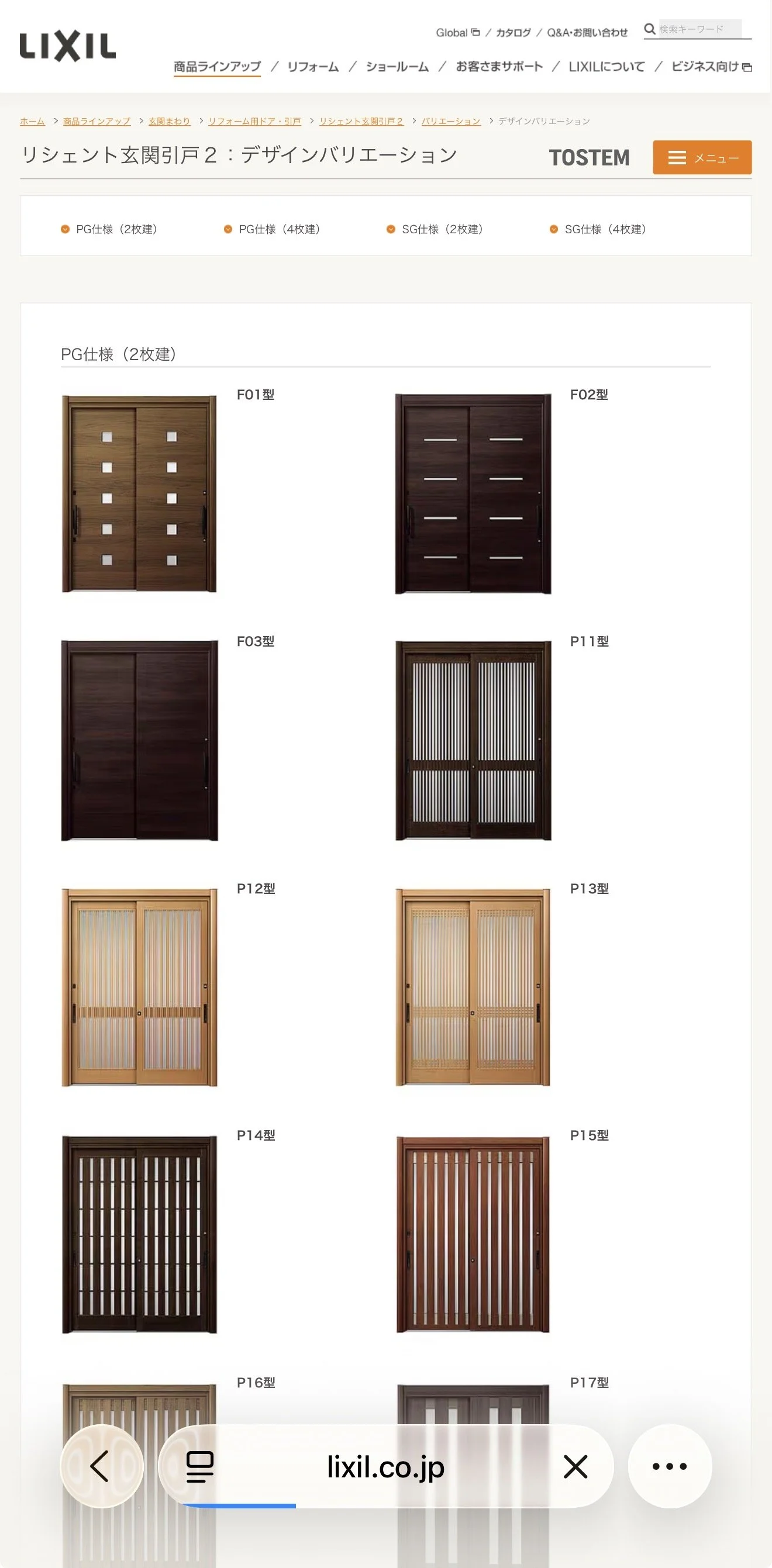

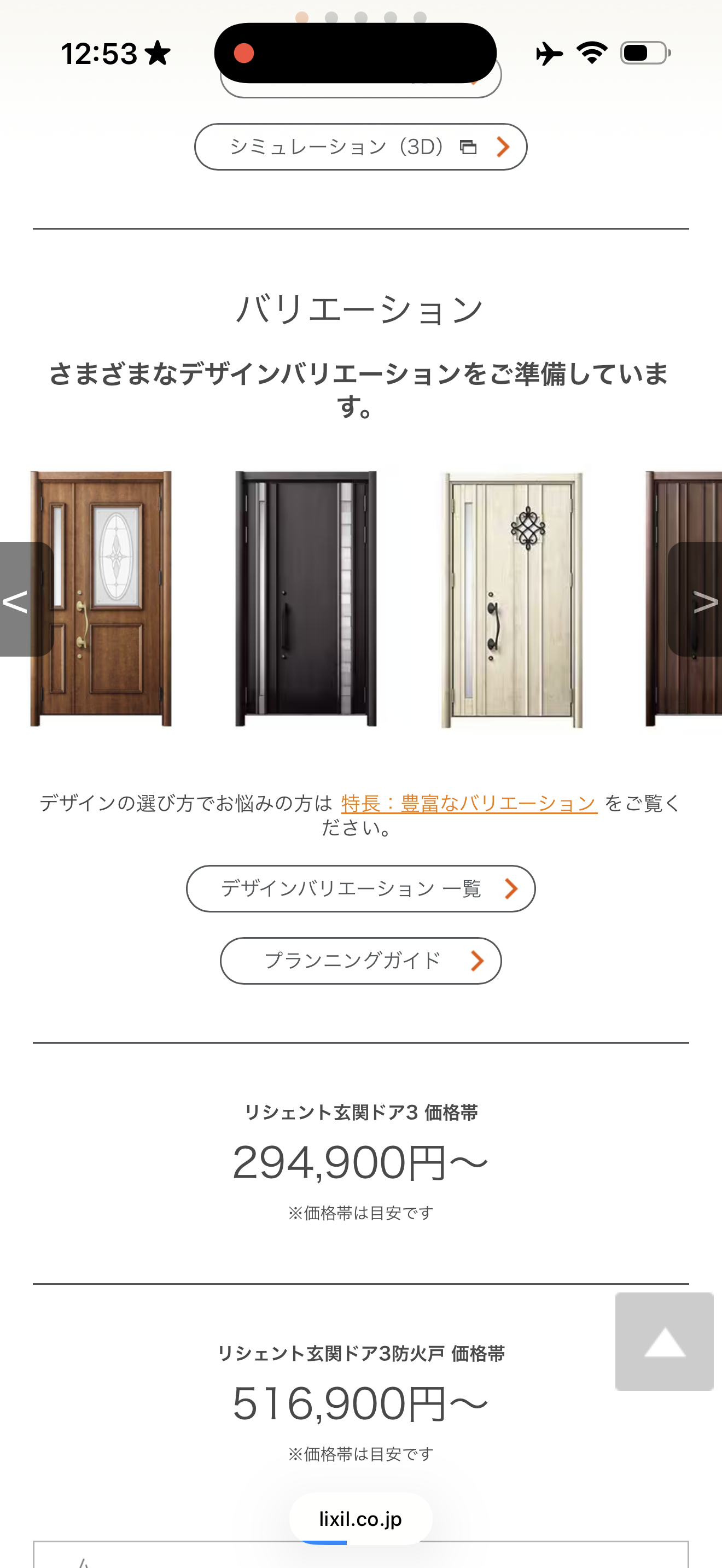
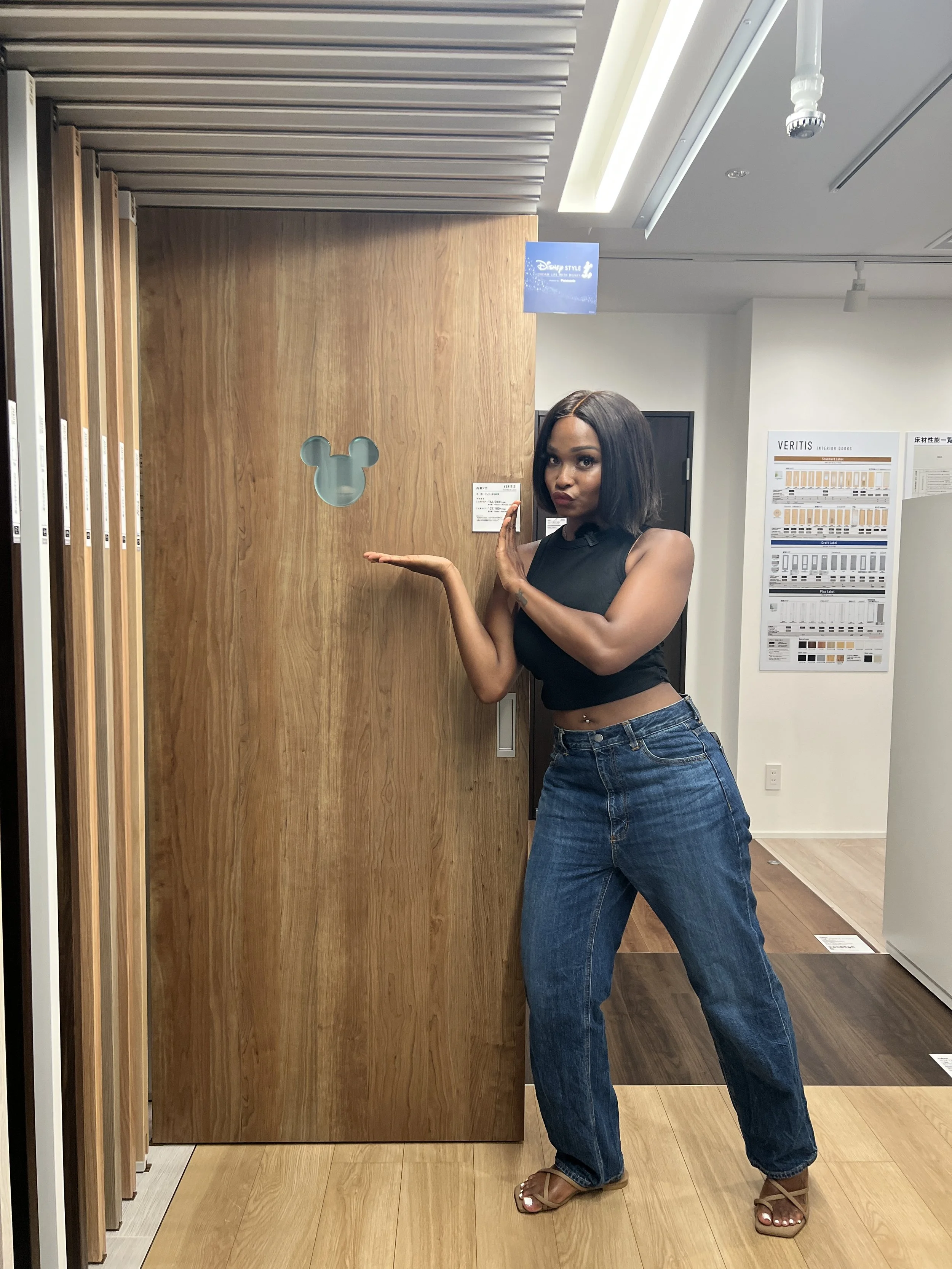
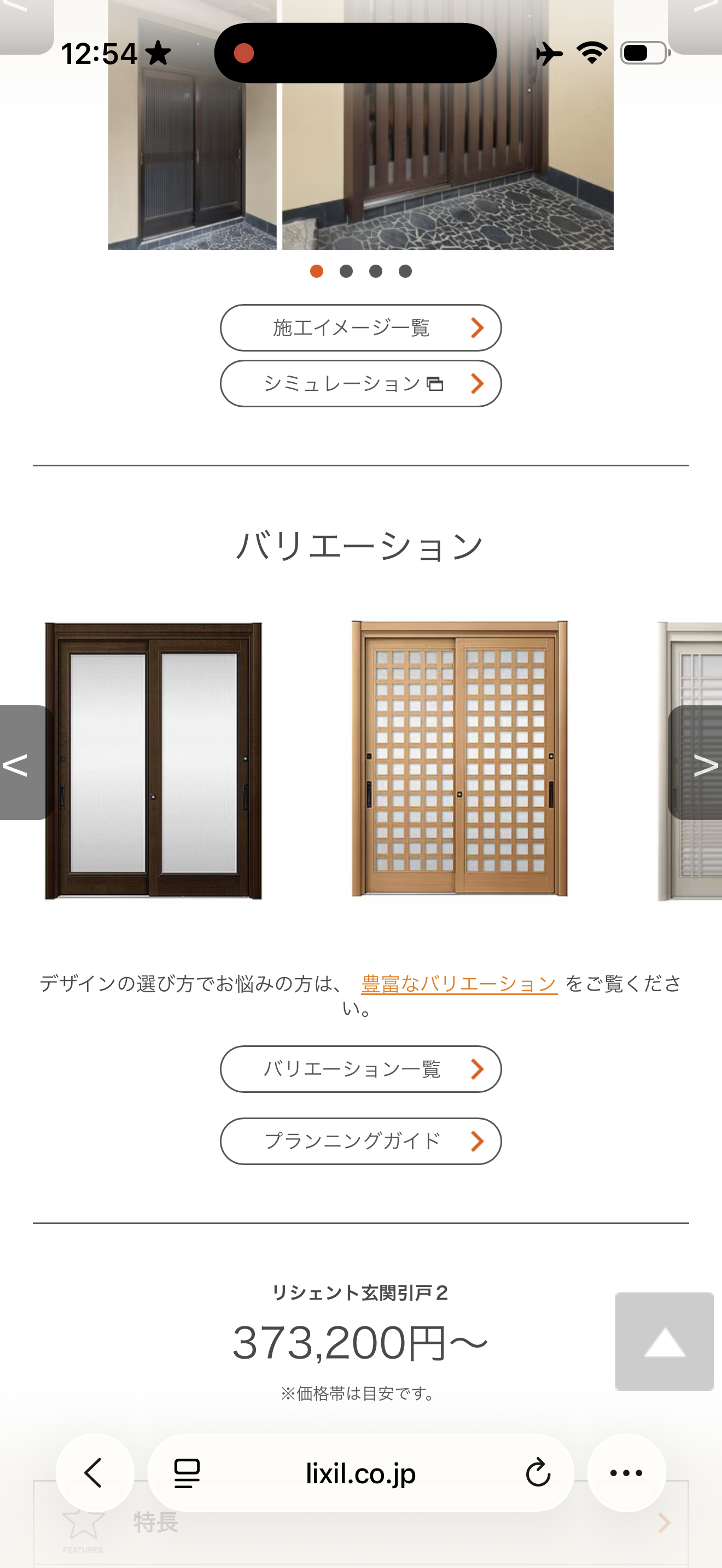
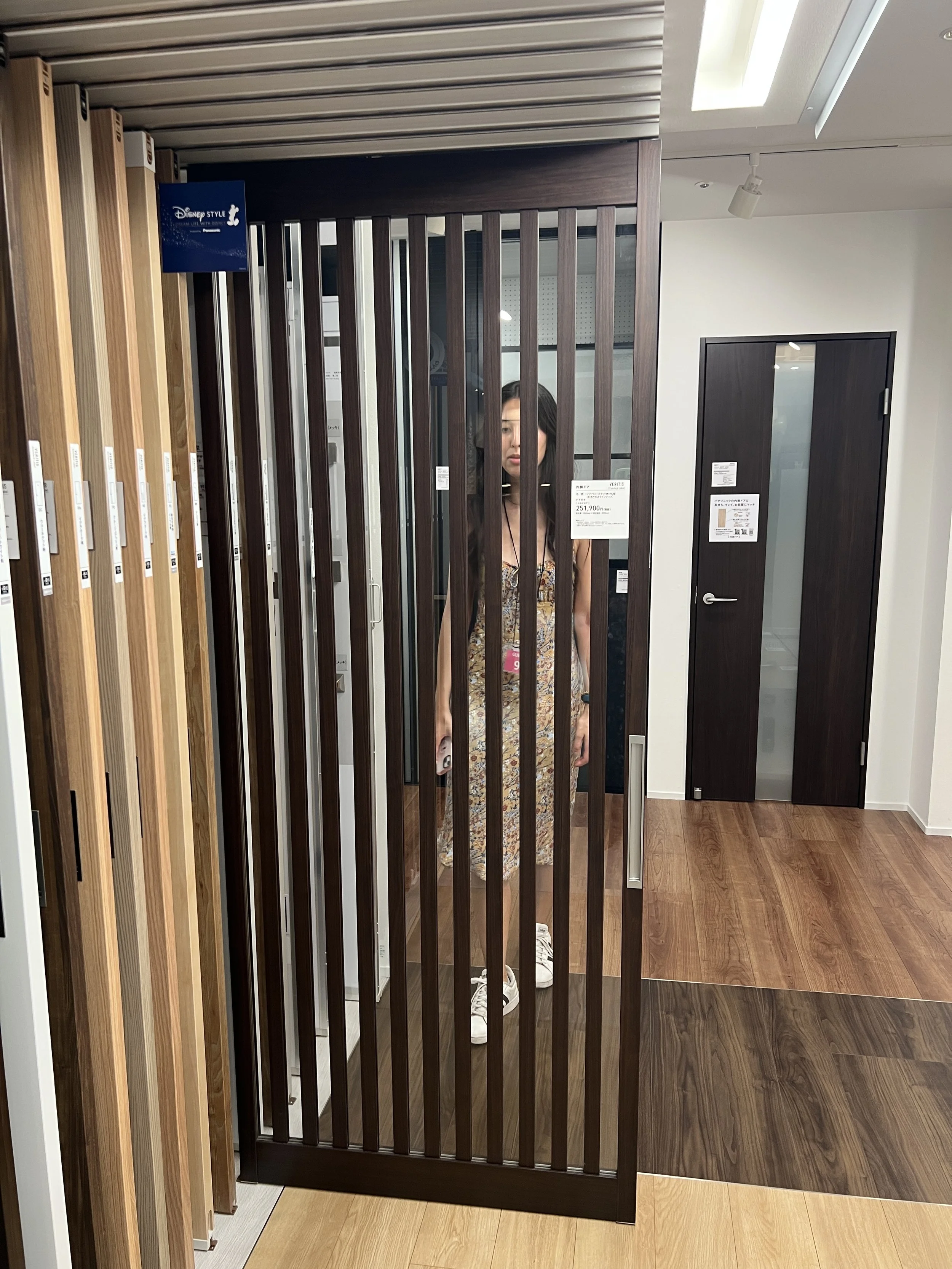

We found a carpenter to build me a custom front door, which was perfect because the size wasn’t standard so it was difficult to find one that would fit. Alongside myself and my builder Yasu we made and painted the Shoji doors for the upstairs office. And lastly, to save on costs we simply wrapped the old closet doors downstairs in nice wood like vinyl and they turned out great!
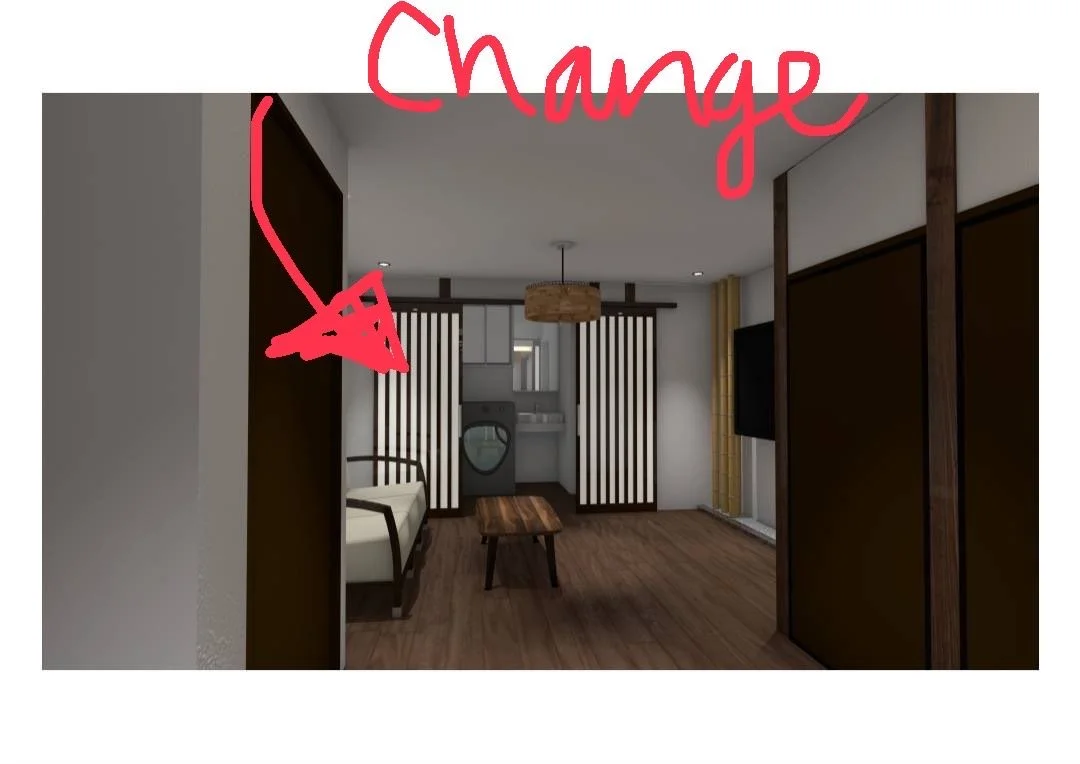
Find ways to cut costs
Had to make many changes to the original design plan to find solutions for cheaper door options.
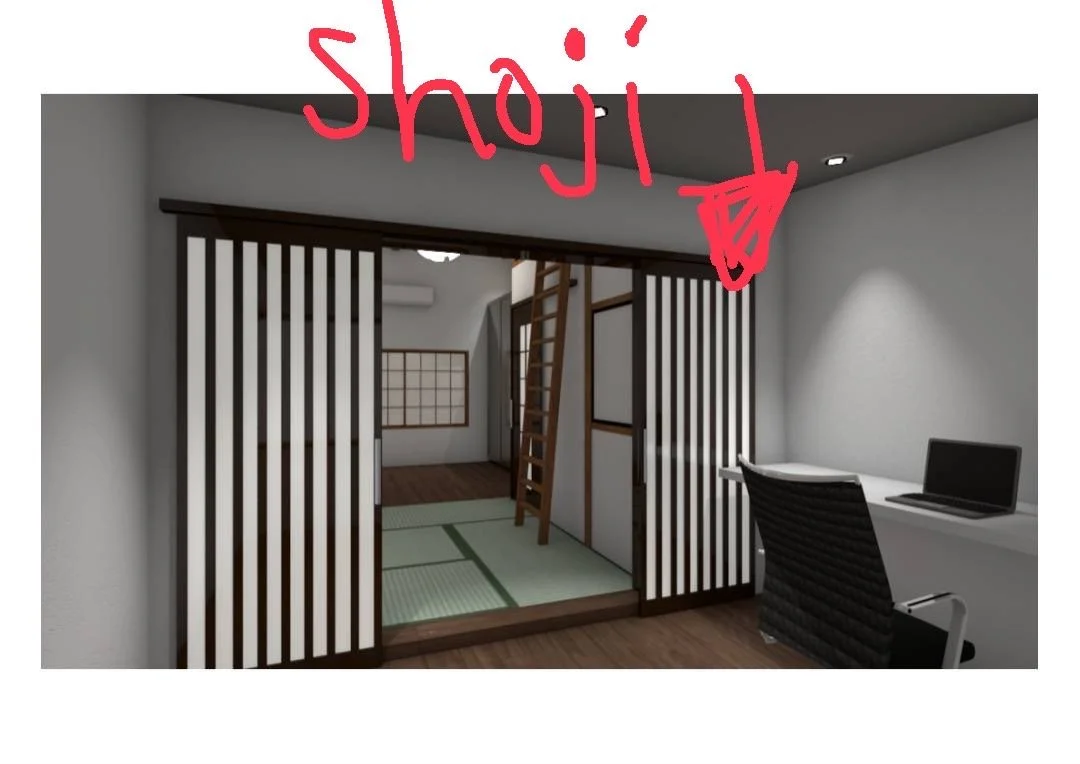
I installed several custom LIXIL sliding doors, including soft-close wooden doors for the bathrooms. I had to splurge on a few doors in the house like the giant almost floor to ceiling bi-fold closet doors upstairs and the traditional style large wood-and-glass lattice door at the entryway and bedroom but it was worth it.
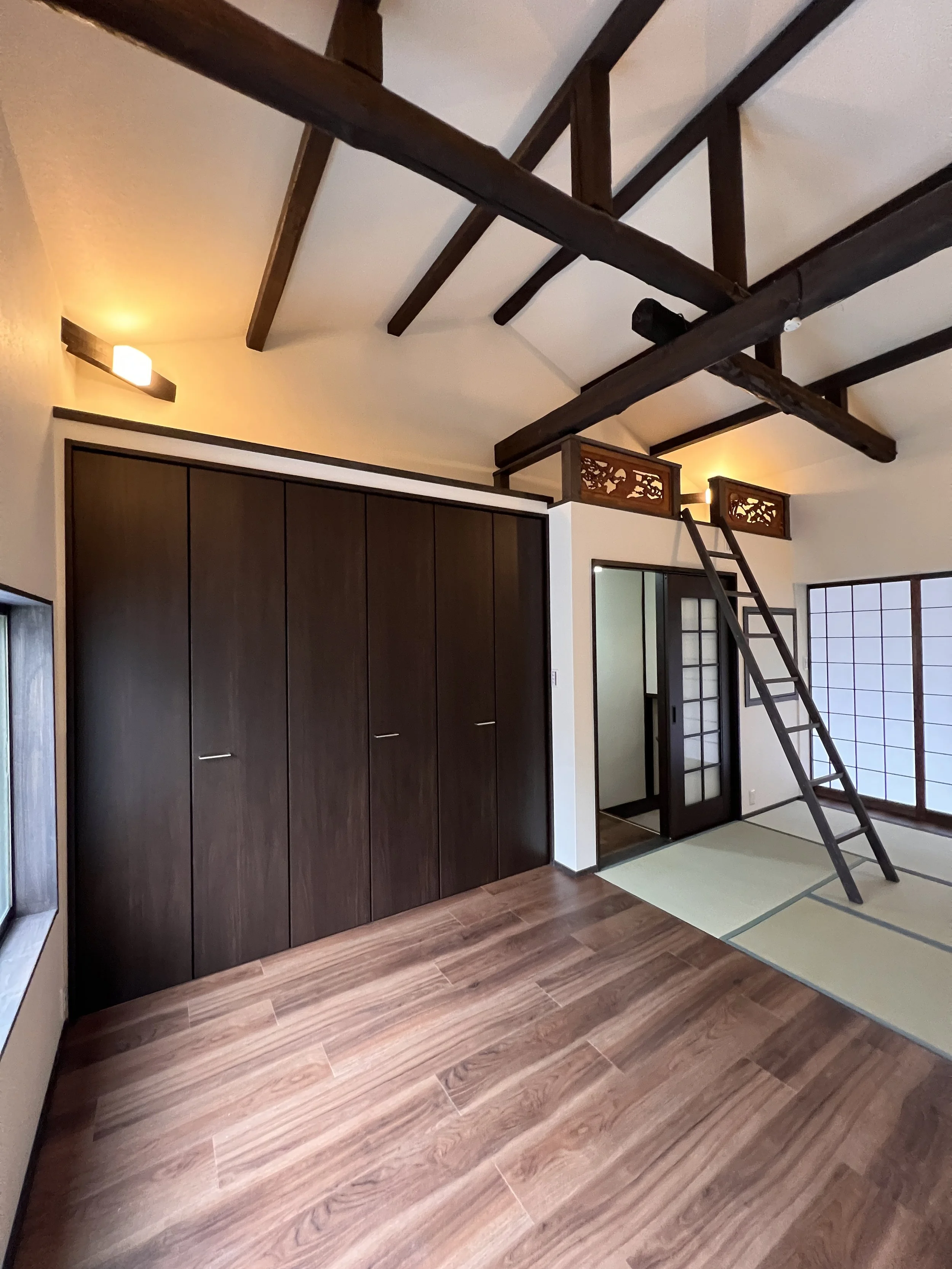
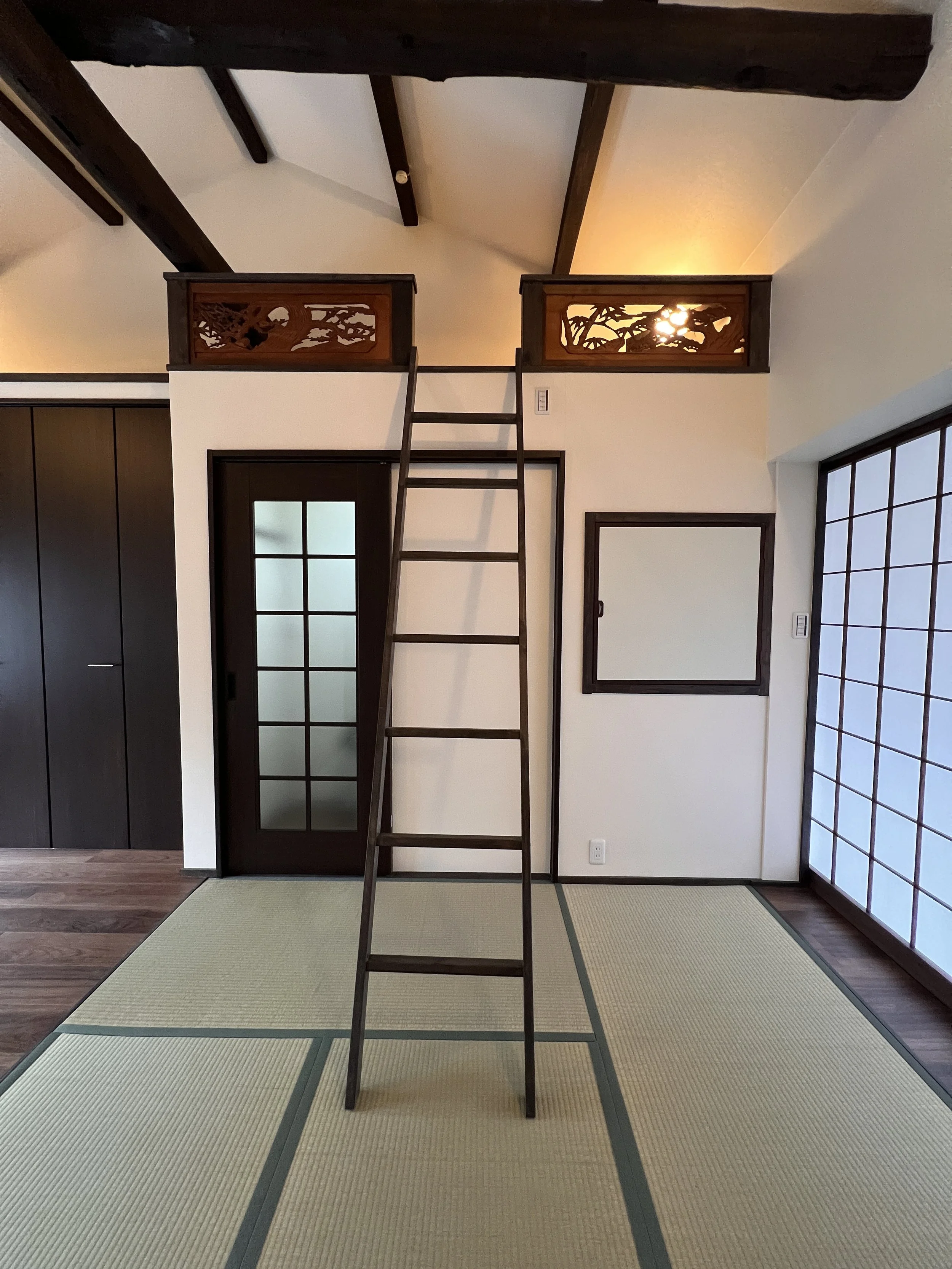
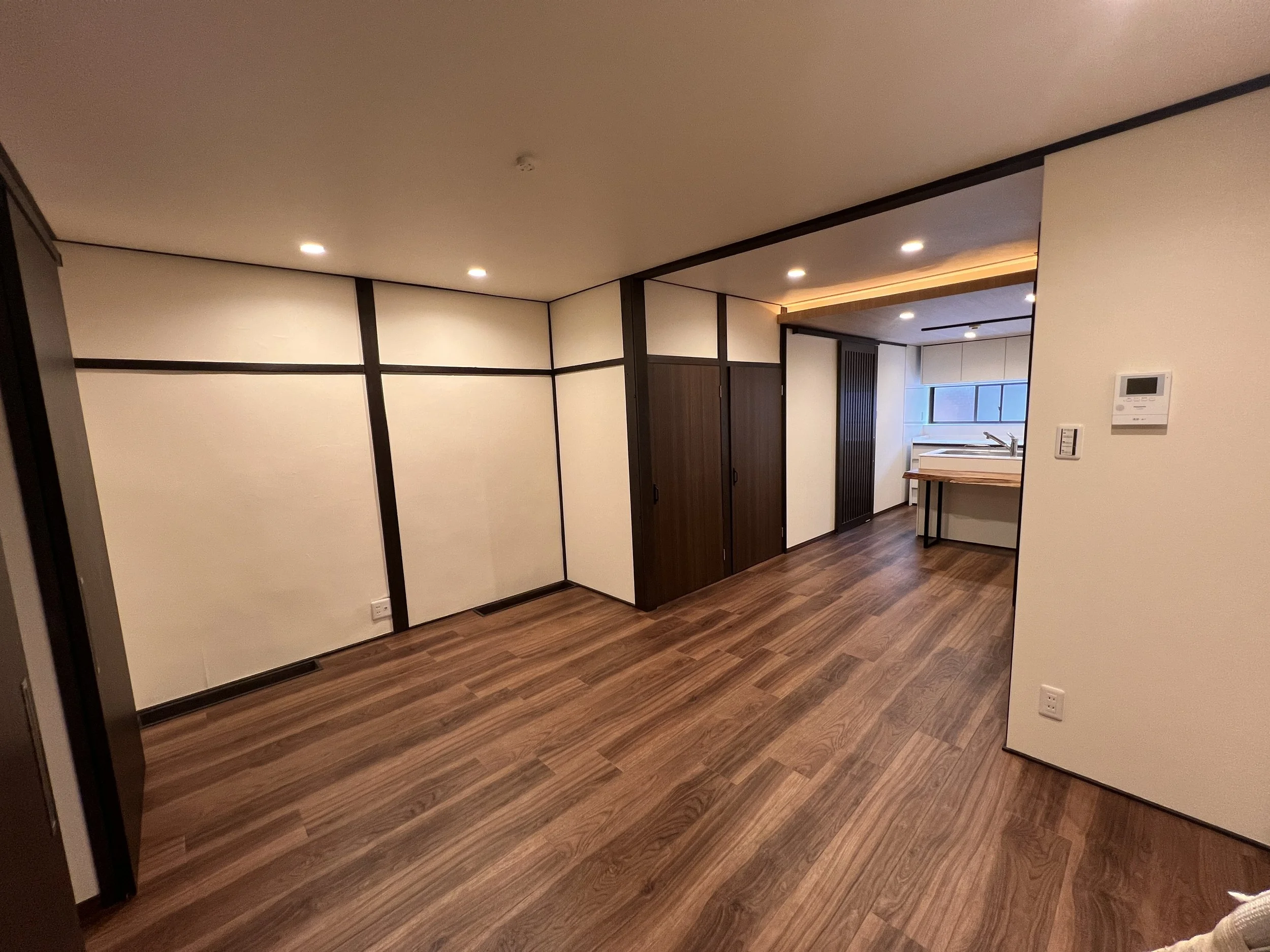
When you're renovating an entire home and suddenly need ten, fifteen, or even twenty doors, the numbers become surprisingly large. Everyone budgets for flooring and kitchens. Almost nobody budgets properly for doors.
Traditional Clay Tile Roofs (Kawara / 瓦・かわら)
If you're renovating an older Japanese home or an akiya (空き家・あきや), the roof can easily become your largest expense.
Traditional kawara (瓦・かわら) clay tile roofs are one of the most beautiful architectural features in Japan, but they're also one of the most expensive to repair or replace. Part of the problem is that fewer craftsmen specialize in traditional roofing work today. The skills required to properly install and repair these roofs are becoming increasingly rare.
For a typical Kyoto farmhouse or countryside akiya, a complete kawara roof replacement can easily range from ¥3,000,000 to ¥8,000,000 ($20,000 to $55,000+) depending on the size of the roof, the condition of the structure underneath, and the style of tile being used. I once was considering this akiya in the countryside that needed some roof repairs and had those traditional clay tiles. I contacted someone well known on YouTube for renovating homes in Japan for advice (Tokyo Lama) If you haven’t seen his video’s you should check them out. Luckily he talked me out of the buy becasue the cost to renovate the roof would be too much.
I've seen people buy inexpensive countryside homes only to discover that the roof alone costs more than the house itself.
Tatami Rooms (Tatami / 畳・たたみ)
Many people assume tatami (畳・たたみ) is inexpensive because it's traditional and they’re made of simple materials like straw. That assumption disappears very quickly once you start pricing it out.
Looking at one of my renovated homes, the tatami room contains six full mats. Standard replacement tatami typically costs around ¥10,000 to ¥25,000 per mat, while premium Kyoto-made tatami can cost significantly more. That means a relatively small six-mat room can easily cost between ¥60,000 and ¥150,000 ($400 to $1,000+) for standard quality materials. Premium tatami installations can exceed ¥200,000 ($1,400+) for a single room. And you can do all kinds of customizations like with the trim design, pattern, shape and color but it all comes with a fee.
For homeowners who want multiple tatami rooms, the cost climbs surprisingly fast and they are extreemly delicate and damage easily.
Shoji, Fusuma, and Traditional Woodwork
One of the reasons people fall in love with Japanese homes is the traditional craftsmanship. Unfortunately, some of those beautiful details are also among the most expensive parts of a renovation.
Restoring or replacing shoji (障子・しょうじ), fusuma (襖・ふすま), and ranma (欄間・らんま) often requires specialized craftsmen. Shoji are the translucent paper sliding screens that let natural light filter through a room, while fusuma are the decorative sliding partitions used to separate spaces. Ranma are the carved decorative transoms often found above doors and hallways.
In places like Kyoto, where homeowners often want to preserve traditional aesthetics, finding skilled artisans can be expensive. Many of these crafts are becoming increasingly specialized, and that scarcity drives prices higher every year.
Demolition and Disposal
This is probably the most underestimated expense in Japanese renovations.
In the United States, demolition often means filling a dumpster and hauling everything away. In Japan, demolition is a completely different process.
Materials must be separated meticulously. Wood goes in one pile. Metal goes in another. Drywall, plastic, concrete, insulation, and even nails are separated individually. During my last renovation project (The Crimson Corner), I watched my builders spend hours removing nails from old boards simply so the materials could be sorted correctly.
The disposal fees themselves aren't always outrageous. It's the labor required to sort everything that becomes expensive.
What looks like a simple demolition project often turns into days of detailed sorting work.
Akiya Clean-Out Costs (Akiya / 空き家・あきや) THROWING STUFF AWAY
Many akiya come with an unexpected surprise: they're still full of stuff.
Entire households are often left behind. Furniture, clothing, dishes, appliances, books, tools, and decades of accumulated belongings remain inside the property.
At first glance this seems like a bonus. Then you realize you're responsible for getting rid of everything.
A heavily cluttered akiya can easily cost between ¥300,000 and ¥1,000,000+ ($2,000 to $7,000+) to clear out completely. I've seen homes where the cleanup bill represented a substantial percentage of the home's purchase price. Not only is it expensive but it’s also complicated difficult and time consuming to throw things away.
The cheap house isn't always the cheapest project.
Retrofitting, insulation and building to current code
This is only an expense when renovating older home. Japan introduced the Shin-Taishin (新耐震・しんたいしん) earthquake code after the 1978 Miyagi earthquake. Buildings constructed under permits issued after this date were required to withstand much stronger earthquakes and were designed to protect occupants from collapse during major seismic events.
When looking at akiya or older homes, you'll constantly hear:
Kyū-Taishin (旧耐震・きゅうたいしん) = Pre-1981
Shin-Taishin (新耐震・しんたいしん) = Post-1981
This is important! Often times if you want to renovate something let’s say like the bathroom, the law could require you to update everything to current building standards. I once had to update the plumbing to make the pipes a bit bigger which was the current standard.
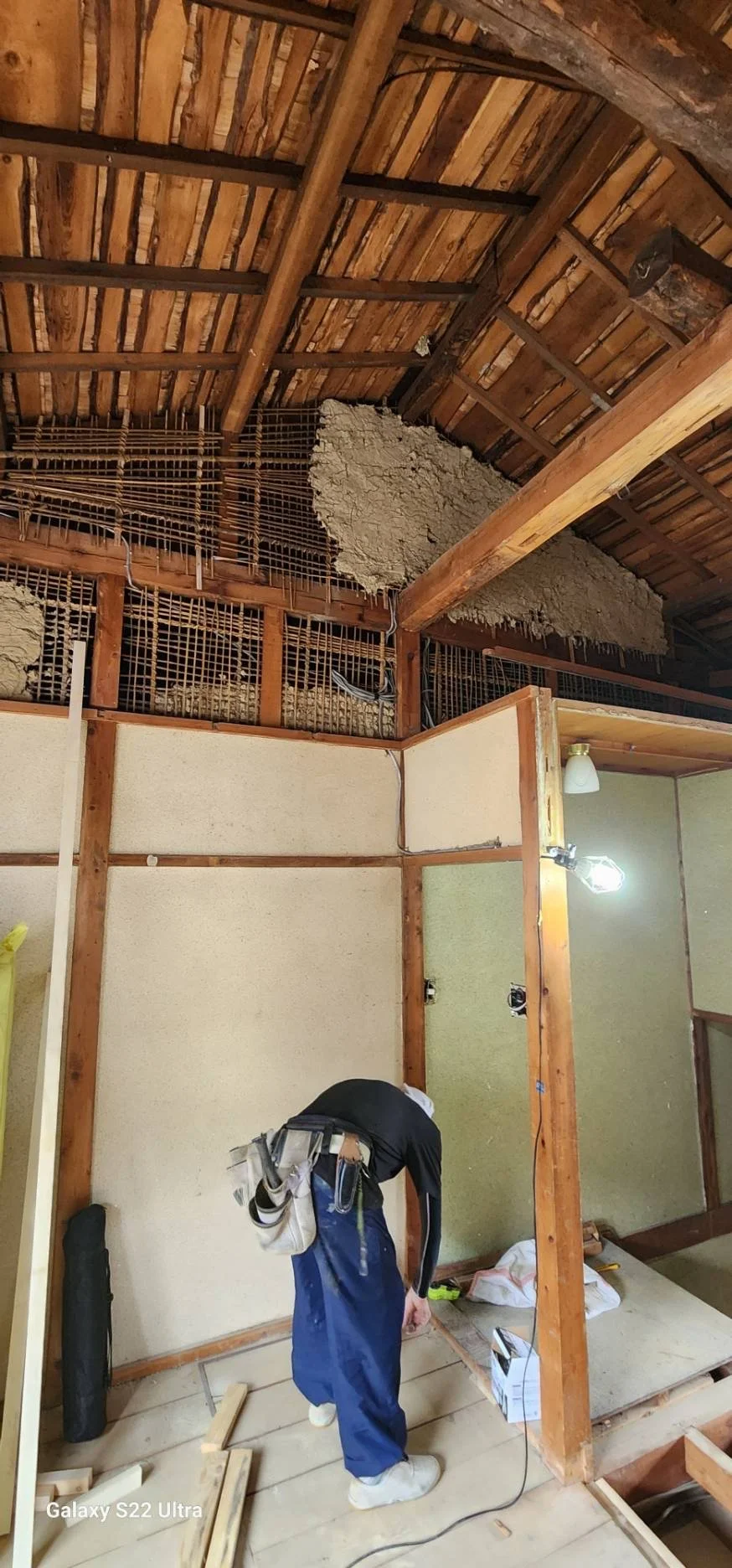
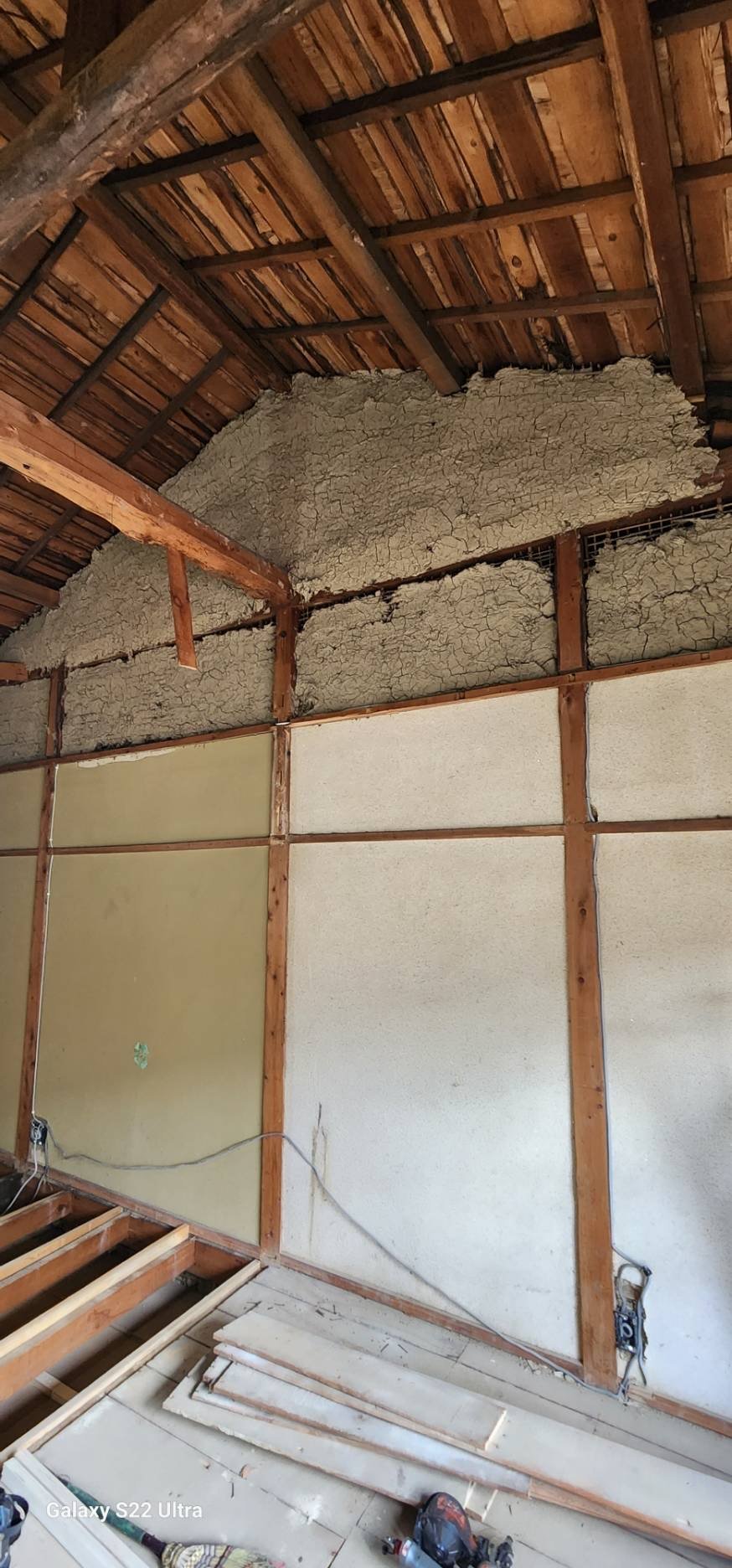
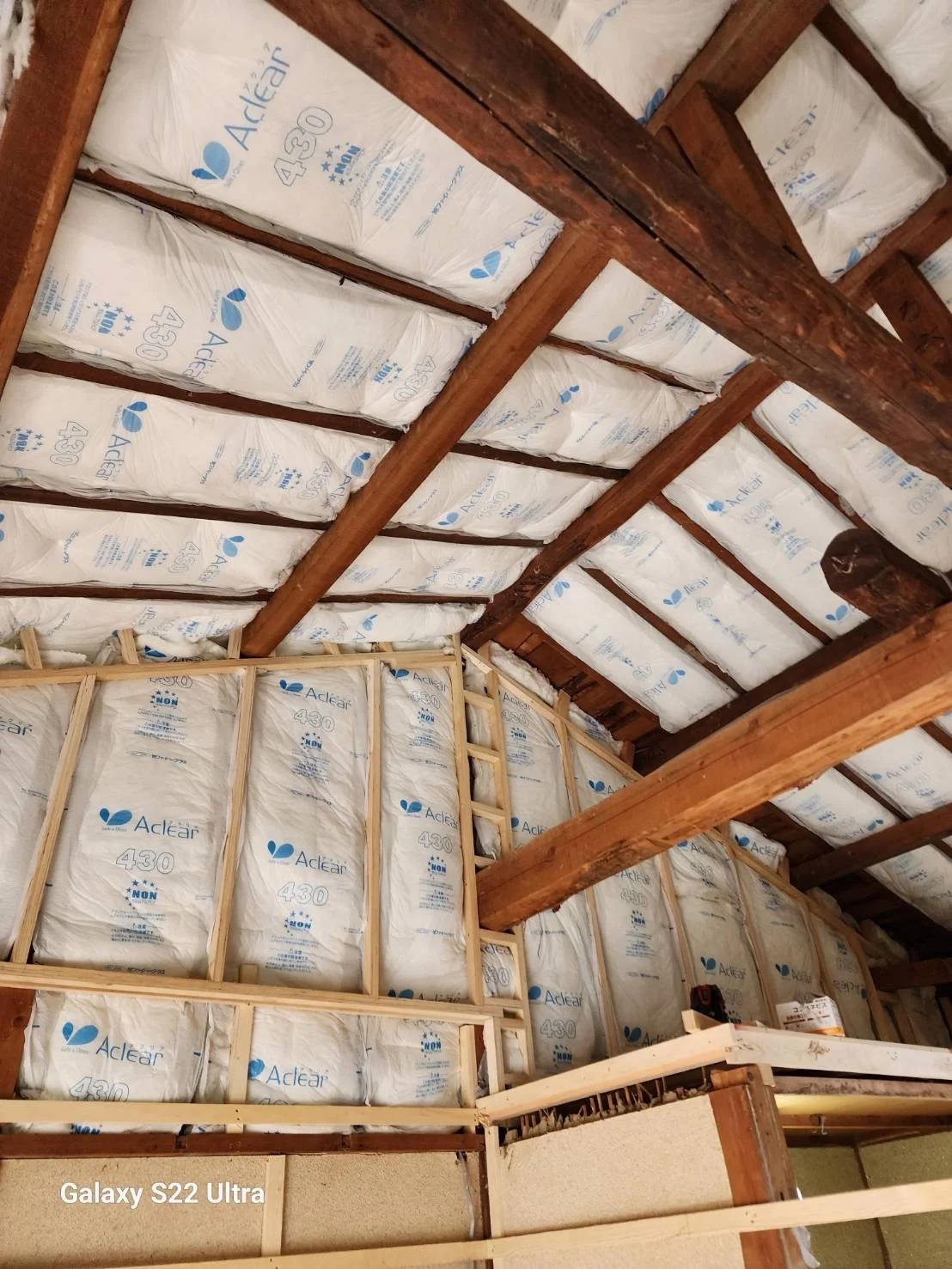
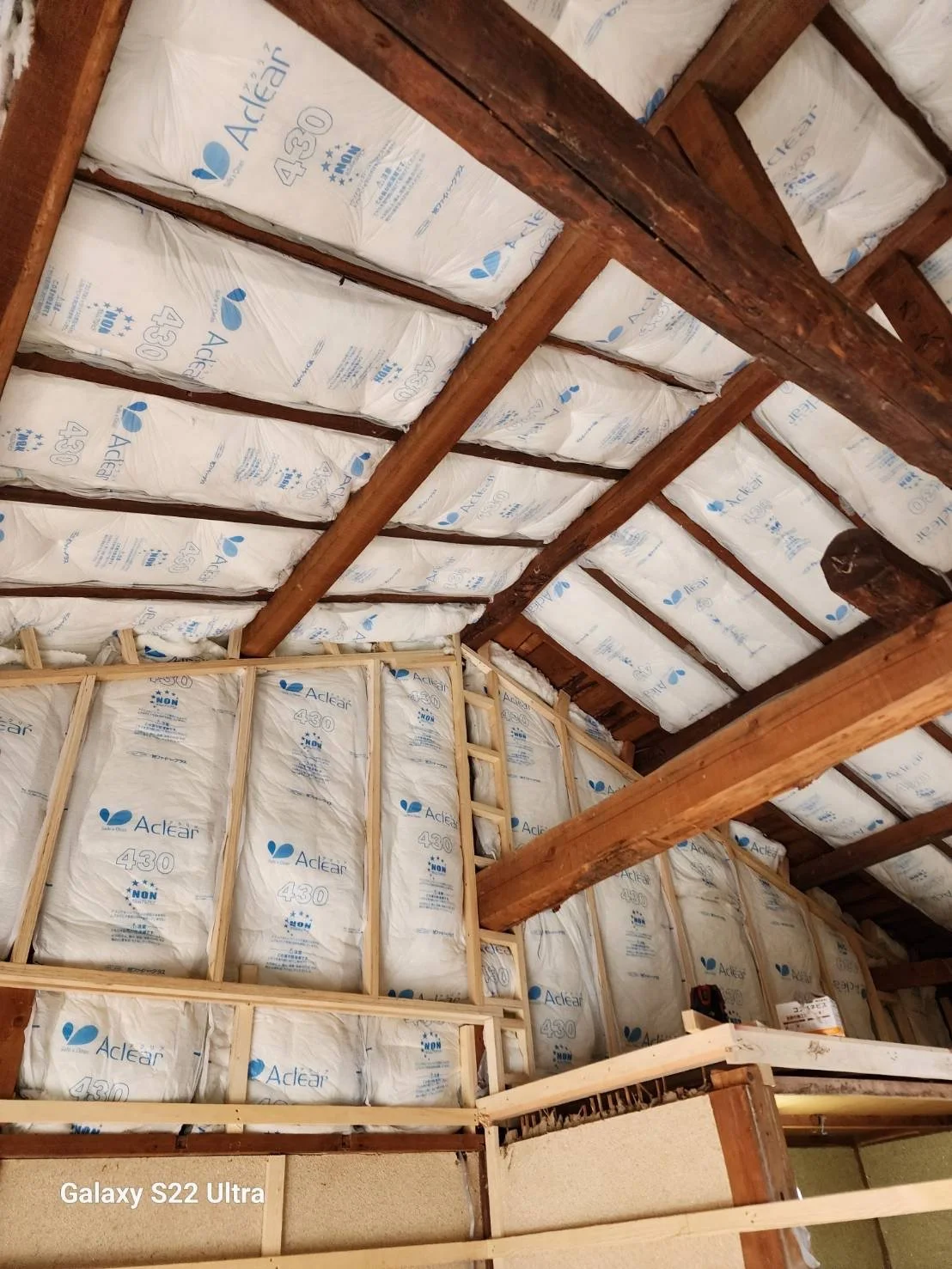
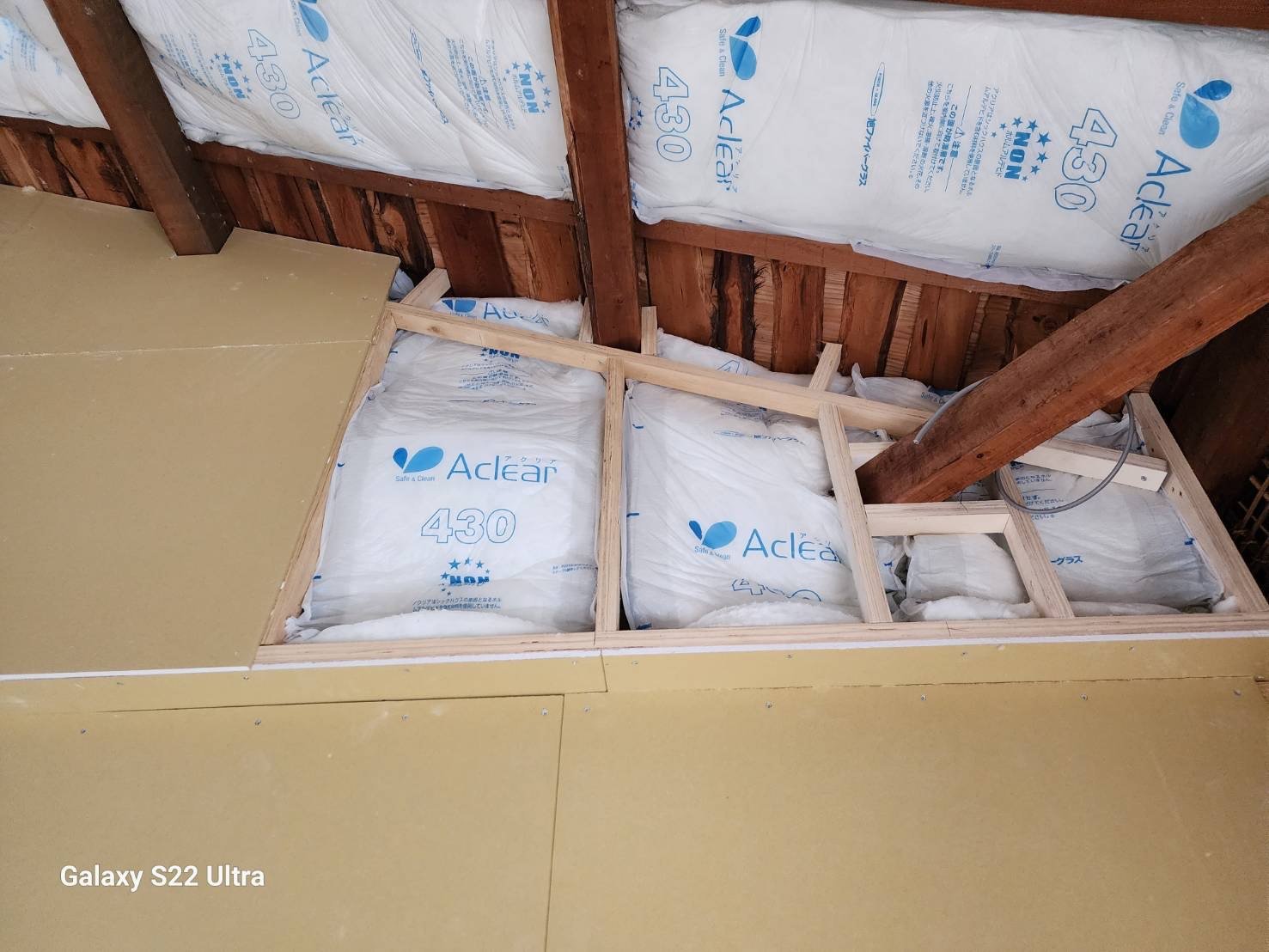
Other than the forces cost associated with updating the home there’s also a significant cost in upgrade that you just might want to make anyways. For example alot of old homes have walls built with things like mud, clay and bamboo canning with no soundproofing or insulation. This was one upgrade i had to do with both houses due to the age of the homes.
🇺🇸California's Most Expensive Renovation Costs
Permits
Nothing has shocked me more in California than permits. Before you can build, remodel, expand, repair, or sometimes even modify an existing structure, you'll likely need permits, approvals, inspections, and fees.
Then come the inspections. Then more fees. Then more inspections, which also causes you more time and huge delays!
You don't just pay to build something, you pay simply for permission to build it.
Depending on the project, permit costs can run into the thousands of dollars before construction even begins.
Decks
One of the biggest surprises I've encountered while planning my Big Bear renovation has been the cost for outdoor decks!
I recently received quotes ranging from approximately $22,000 - $45,000 for restoring an outdoor wraparound deck.
At first glance, a deck seems simple. But once it's attached to the house, it becomes a structural component. That means engineering reviews, inspections, permits, and compliance with modern building codes.
What looks like a straightforward repair quickly turns into a major construction project.
Anything Wood Related
Wood products in California seem incredibly expensive right now. There have been inventory issues for timber for some time now.
Cabinets, decking, framing, custom millwork, and flooring all come with significant costs.
Windows
Windows remain one of the most surprising expenses I've encountered in California.
Large windows, custom shapes, floor-to-ceiling glass, triangular windows, and specialty designs can consume a huge portion of a renovation budget.
Mountain homes often rely on large windows to maximize views, which means window costs can quickly become one of the largest line items in the entire project. Many of the older cabins in Big Bear had outdated windows in need of upgrading to double pain for the colder winter months which could cost an ugly penny. Andersen is one of the premium brands you'll see quoted constantly in California, especially for mountain homes, custom homes, and luxury renovations.
You wouldn’t believe how much they go for:
Large Sliding Glass Door: $8,000 - $20,000+
Custom Round/Circle Window: $2,000 - $6,000+
Floor-to-Ceiling Window: $5,000 - $15,000+ per opening
Floor-to-Ceiling Window Wall System: $20,000 - $50,000+
😐 Excuse me?
I still find myself shocked by some of these quotes.
Anything “Custom” AKA out of the norm
California builders are very efficient when building standard homes. The problems begin when you want something unique.
Custom dimensions.
Custom trim.
Custom layouts.
Custom cabinetry.
Custom architectural details.
Even when the request is relatively simple, the cost often increases dramatically because it falls outside the builder's standard process.
If there's one thing I've learned, it's that "custom" is often one of the most expensive words in California construction. I couldn’t beleive how many builders couldn’t build an arched wall.
Anything Considered “Luxury”
The moment you mention white oak cabinetry or modern design features, the price suddenly jumps dramatically regardless of the actual cost of materials or difficulty level.
I've noticed that many of these items aren't necessarily difficult to produce or install. They're simply categorized as luxury products, and the market charges accordingly.
One tip i have is to cut out the middle man and source materials directly from suppliers whenever possible instead of relying entirely on contractor markups. Also, knowning about the materials you’re using and the construction methods for installation can help decrease the cost as well. If you don’t know any better that luxury price tag will be added to anything new, sleek or modern eventhough it requires the same process and similar materials as a normal design.
Roof Repairs
Roof repairs are expensive in California too, but for different reasons than Japan.
Instead of paying for traditional craftsmanship, you're usually paying for labor, engineering, code compliance, and modern materials.
In mountain communities like Big Bear, roof design becomes especially important because of snow loads. Roofs need enough pitch to allow snow to slide off rather than accumulate and create structural problems.
Building appropriately for the local climate adds another layer of cost that homeowners often don't anticipate.
Final Thoughts
🇯🇵💰🇺🇸
After renovating homes in both countries, I've come to appreciate that every market has its own hidden expenses.
Japan's biggest renovation costs often come from craftsmanship, traditional materials like kawara (瓦・かわら), tatami (畳・たたみ), shoji (障子・しょうじ), fusuma (襖・ふすま),
and the surprisingly expensive process of demolition and disposal.
California's biggest costs tend to come from permits, labor, engineering requirements, custom work, windows, and anything involving wood.
Both places will surprise you, just in completely different ways:
In Japan, you'll wonder why a door costs over a thousand dollars.
In California, you'll wonder why you need permission to install it.